
Do You Need to Winterize an RV If It's Stored Indoors?
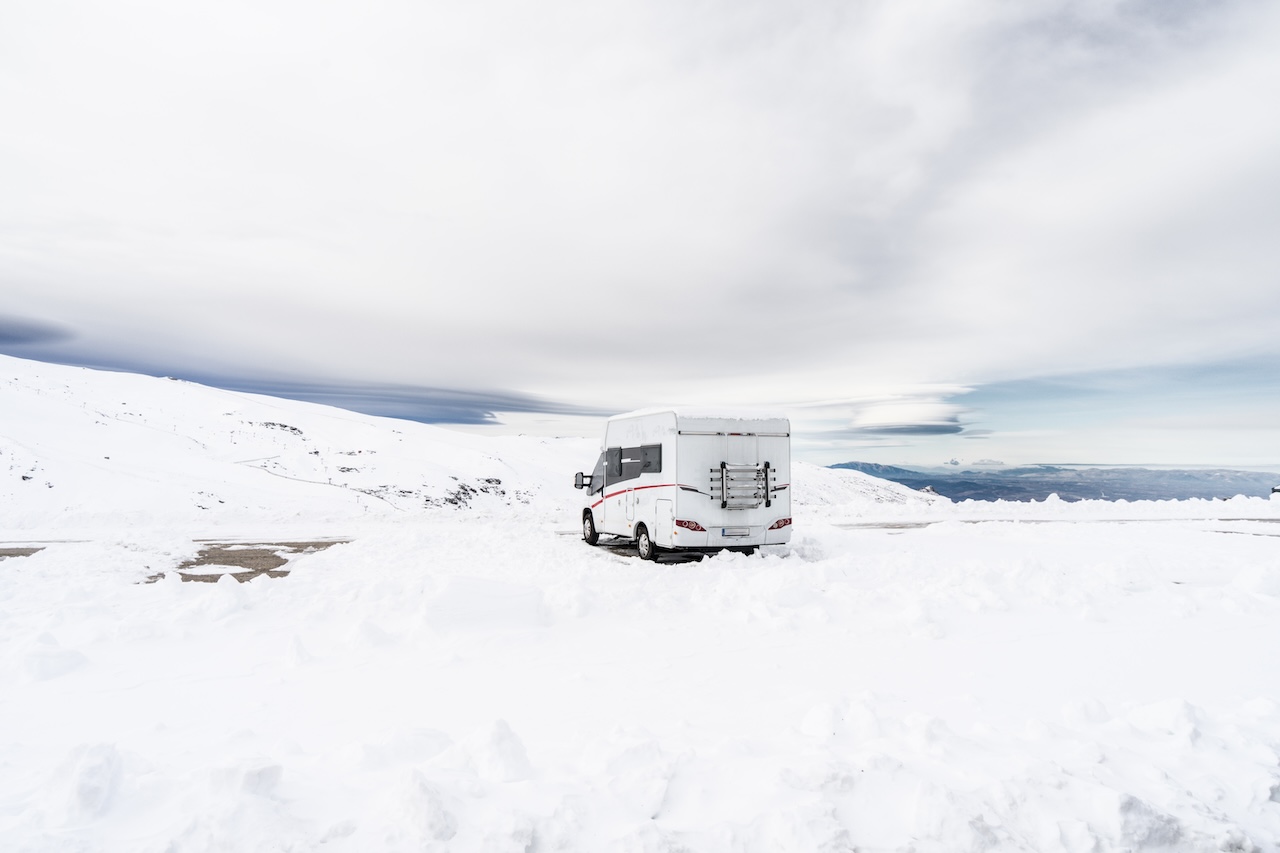
Quick Answer: Indoor storage protects your RV from snow and sun, but it doesn't guarantee freeze protection. If the building isn't heated, water left in your lines, water heater, or tanks can still freeze. Full or partial winterizing depends on whether your storage space stays reliably above 32°F all winter.
If you're parking your camper at a facility like Hawkeye Storage this season, you might be wondering if you can skip the annual winterizing routine altogether. It's a fair question. After all, your RV won't be sitting under three feet of snow or getting pelted by sleet.
But here's the thing: a roof over your rig doesn't automatically mean warm temperatures inside it.
The Short Answer: It Depends On Heat, Not Walls
An enclosed building does a great job blocking snow, ice, wind, and direct sun. Those are the elements that cause the most visible damage: cracked seals, sun-faded paint, and water pooling on the roof. But walls alone don't produce warmth.
Without an active heat source, the air inside an enclosed structure will eventually drop close to the outdoor temperature. Give it a cold enough night, and the inside of that building can feel almost as frosty as the parking lot outside.
In Indiana, that's a real concern. Winter temperatures in Danville and the surrounding area regularly dip into the teens and single digits, with overnight lows sometimes falling below zero. A building with no heat source won't hold back that kind of cold for long.
And water doesn't care whether it's indoors or outdoors when it freezes. Water sitting in your RV's lines, fittings, or water heater will freeze at the same temperature no matter where the RV is parked. If there's no heat keeping the space above freezing, you need to winterize your RV, full stop.
Not All "Indoor" RV Storage Is The Same
The phrase "indoor storage" covers a lot of ground, and the differences matter.
Unheated Enclosed or Private Bays: Fully enclosed but relying purely on outside temperatures once the sun goes down. This is the most common type of RV storage and offers no freeze protection on its own.
Covered Parking: A roof and maybe partial walls, but open enough that wind and cold air move through freely. Covered parking protects against precipitation and sun damage but provides essentially zero insulation from freezing temps.
Heated, Climate-Controlled Bays: A building actively maintained above freezing, often in the 40 to 55°F range. This is the only indoor storage option that meaningfully reduces your RV winterizing needs.
When You Should Still Winterize Your RV, Even Indoors
Even with four walls surrounding it, you should winterize your RV when:
- The storage space isn't heated.
- You're unsure whether the building will reliably stay above freezing all winter.
- Your RV manufacturer or insurance policy requires it regardless of storage type.
When in doubt, winterize your RV. A few hours of prep work is far cheaper than repairing a cracked water heater or split pipe come spring.
The Middle Ground: Partial Winterizing For Heated Storage
If your RV is in a genuinely heated, climate-controlled space, you may be able to get away with a lighter version of winterizing rather than a full antifreeze treatment. This typically includes:
- Draining the fresh water tank and the water heater.
- Emptying and flushing the black and gray tanks.
- Opening the low-point drains so the lines sit mostly dry.
This reduces the risk of lingering moisture causing odors or mineral buildup, even if freezing isn't a major concern. For the complete, step-by-step process, check out our full guide on how to winterize your RV plumbing.
Questions To Ask A Storage Facility Before You Skip Winterizing Your RV
Before you decide to forgo winterizing your RV, get clear answers from your storage provider:
- Is the RV space heated all winter, and to what temperature?
- Is the heating monitored, and what happens if it fails?
- Are there areas of the building that could still freeze, like near doors or outer walls?
- Does the bay have electricity available for a battery tender?
A quick phone call can save you from an expensive surprise in February.
Heated Storage Doesn't Replace Basic Storage Prep
Even in a toasty, climate-controlled bay, you still need to handle the basics:
- Remove all food from cabinets and the fridge.
- Prop the refrigerator door open to prevent mold and odors.
- Make sure all appliances are fully shut off.
- Plan occasional check-ins during long storage periods to catch any issues early.
Store Your RV Right At Hawkeye Storage
Whatever winterizing route you choose, where you store your RV matters just as much as how you prep it. Hawkeye Storage offers RV storage built with real owners in mind, including:
- 14 ft roll-up doors for easy access with taller rigs.
- 15x35 and 15x50 unit sizes to fit everything from travel trailers to Class A motorhomes.
- Outlets for battery tenders so your RV's battery stays charged all season.
- Month-to-month leases with no long-term commitment required.
FAQs
What happens if you don't winterize your RV?
Water left in the lines, water heater, or tanks can freeze and expand, cracking pipes, fittings, and the water heater tank. Repairs often cost far more than the time it takes to winterize properly.
Is it better to store an RV indoors or outdoors during winter?
Indoor storage is generally better because it protects against snow, ice, and sun damage. However, unheated indoor storage still requires winterizing, since it doesn't prevent freezing temperatures inside the building.
Can RV pipes freeze in an enclosed storage unit?
Yes. An enclosed unit blocks wind and precipitation, but without active heating, the air inside will drop close to outdoor temperatures, allowing pipes to freeze just as they would outside.
Do you need RV antifreeze if your RV is stored in a heated building?
Not necessarily. If the building reliably stays above freezing, you can often skip antifreeze and simply drain and flush your tanks and lines as a lighter, partial winterizing step.