
How to Prevent Flat Spots on RV Tires During Long-Term Storage
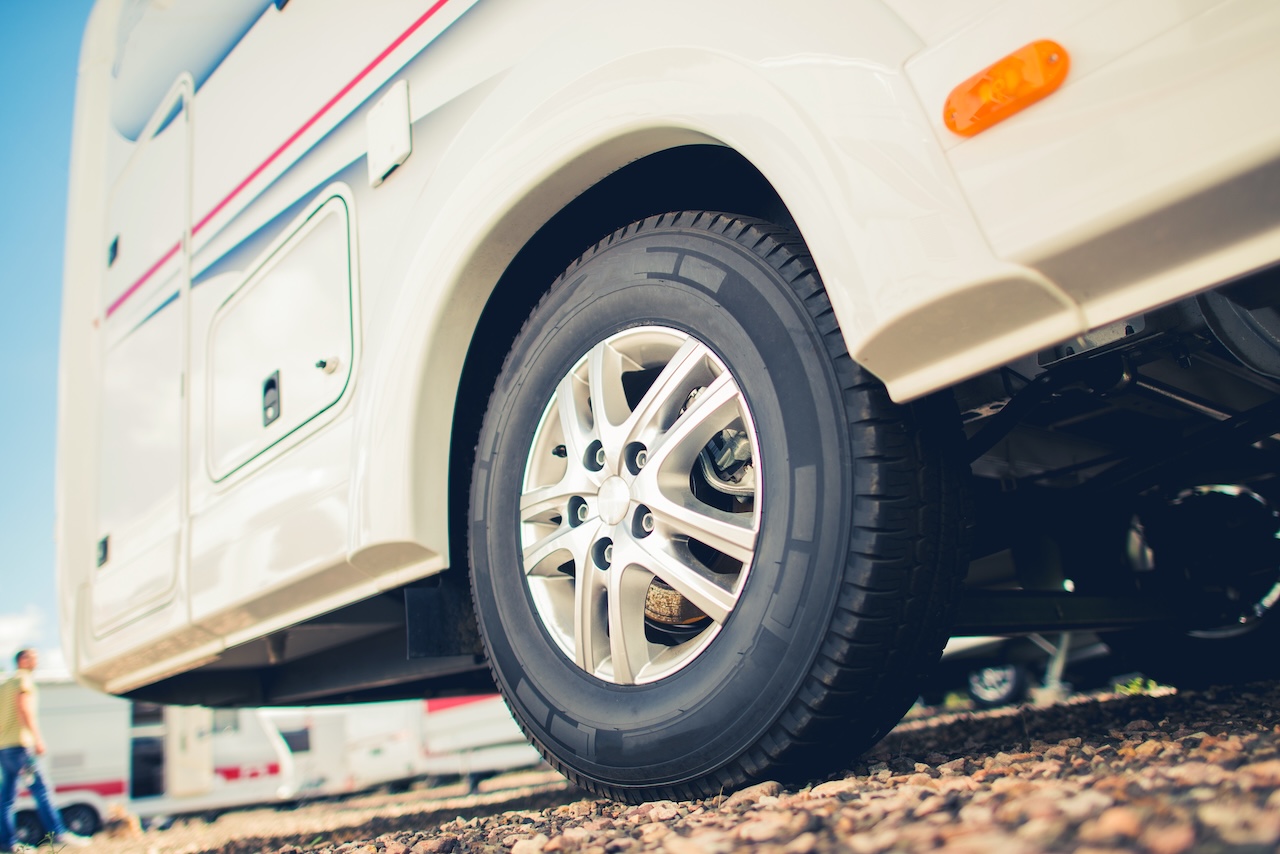
Quick answer: Learning how to prevent flat spots on tires, includes inflating your RV's tires to the manufacturer's recommended PSI before storage, moving the RV every few weeks if possible, and using tire pads to insulate against cold pavement. Flat spotting happens when an RV's weight presses down on the same section of tire for too long, and prevention comes down to reducing that sustained pressure.
If you've ever pulled your RV out of storage after a long winter and felt a strange thump-thump-thump as you drove down the road, you've likely experienced a flat spot. It's one of the most common issues RV owners run into after long-term storage, and it catches a lot of people off guard the first time it happens.
The good news is that flat spotting is largely preventable. A few simple habits before and during storage can save you from a bumpy surprise later. If you're looking for secure RV storage in Danville, Indiana, Hawkeye Storage's Commerce Drive facility offers the space and setup to help make tire care easier throughout the off-season.
What Causes Flat Spots on Tires?
We'll state the obvious first: an RV is heavy! Whether it's a Class A motorhome or a modest travel trailer, that weight has to rest somewhere, and it's usually concentrated on a small patch of rubber where each tire meets the ground. When a vehicle is driven regularly, that contact patch is constantly changing as the tires rotate. But once an RV sits still for weeks or months, the same section of tire bears the load the entire time.
That sustained pressure compresses the rubber in one spot, and if it stays compressed long enough, it can lose some of its natural round shape. This is what creates a flat spot.
The longer an RV sits in storage, the greater the risk. A weekend without driving won't cause noticeable flat spotting, but a season or more without moving the vehicle gives the tires plenty of time to develop one.
Factors That Make Flat Spotting Worse
Several conditions can speed up flat spotting or make it more severe:
- Low tire pressure: Underinflated tires flex more under weight, which increases the risk of flat spots.
- Cold temperatures: Cold air makes rubber stiffer and less elastic, so it's slower to bounce back into shape.
- Extreme temperature swings: Rubber expands and contracts as temperatures change, adding stress to the tire structure.
- Older tires: Aging rubber loses some of its flexibility, making it more prone to permanent deformation.
- Parking surface: Concrete tends to be gentler on tires than asphalt, which can retain heat and press unevenly against rubber.
- Extended stationary periods: The single biggest factor. The longer the RV stays put, the higher the risk.
Are Tire Flat Spots Permanent?
Not always. There are two very different situations that fall under the "flat spot" umbrella, and knowing the difference can save you an unnecessary trip to the tire shop.
Temporary flat spotting happens when the tire's rubber has been compressed but hasn't been structurally damaged. In this case, driving the RV for a few miles often resolves the issue. As the tires warm up from friction and rotation, the rubber regains its flexibility and rounds back out. Many RV owners notice a vibration for the first several miles after storage that disappears once the tires heat up.
Permanent tire damage is a different story. If a tire has been sitting underinflated or overloaded for an extended period, the internal structure, not just the rubber surface, can be compromised. Signs that point to actual damage instead of temporary flat spotting include:
- Vibration that continues well beyond a few miles of driving
- Visible bulges or deformation in the tire's shape
- Cracking, especially along the sidewall
- Uneven wear patterns after driving
If any of these signs show up, it's worth having a tire professional inspect the RV before heading out on a longer trip.
How to Prevent Flat Spots on Tires During Storage
Preventing flat spots doesn't require special equipment or a lot of extra time. Most of these steps take just a few minutes and can be done before the RV goes into storage for the season.
- Inflate tires to the recommended PSI. Check the RV manufacturer's specifications and inflate tires fully before storage. Properly inflated tires are far more resistant to compression damage.
- Move the RV periodically. If possible, roll the RV forward or backward a few feet every month. This shifts the contact patch to a different section of the tire and reduces sustained pressure on one spot.
- Take weight off the tires. Placing the RV on jack stands or leveling blocks can relieve some of the pressure on the tires entirely.
- Use tire pads or a suitable parking surface. Tire pads made of wood or rubber insulate tires from cold or uneven ground, such as gravel or asphalt.
- Protect tires from sun and weather. UV rays and temperature swings both accelerate rubber breakdown. Tire covers help block sun exposure during storage.
- Clean tires before storage. Removing dirt, oil, and road grime helps prevent premature rubber deterioration.
- Check tires periodically throughout storage. A quick visual check every month, even if the RV isn't being moved, can catch pressure loss or early warning signs.
What Should You Do Before Driving an RV After Long-Term Storage?
Before pulling out of storage, a short inspection routine can catch problems before they turn into a roadside issue.
- Visually inspect every tire. Look for flat spotting, uneven wear, or obvious damage.
- Check and adjust tire pressure. Cold weather in particular can cause tires to lose pressure while sitting.
- Look for bulges, cracks, or deformation. These are signs of potential structural damage, not just surface-level flat spotting.
- Check tire age and tread depth. Tires older than six years, even with plenty of tread left, may need replacing due to rubber degradation.
- Start slowly and pay attention to vibration. Drive at a lower speed for the first several miles. If vibration fades, it was likely temporary flat spotting. If it persists, have the tires inspected.
Give Your RV a Better Place to Rest
Flat spotting is one of those problems that's easy to prevent but annoying to fix. A little preparation before storage, paired with occasional check-ins throughout the season, goes a long way toward keeping your tires in good shape.
Where an RV is stored also makes a difference when planning how to prevent flat spots on tires while it’s in storage. A stable, well-maintained parking surface helps reduce the stress placed on tires compared to uneven ground or soft gravel.
Hawkeye Storage's Commerce Drive facility in Danville, Indiana offers dedicated RV parking and storage options, along with 24-hour access and a secure, fenced lot, so your RV has a solid place to sit until you're ready to hit the road again.
Frequently Asked Questions
How long can an RV sit before the tires develop flat spots?
Flat spotting can begin within a few weeks of an RV sitting stationary, though the exact timeline depends on tire pressure, temperature, and the weight resting on the tires. The longer the RV remains parked without moving, the greater the risk.
Should I overinflate my RV tires while the RV is in storage?
No. Overinflating tires beyond the manufacturer's recommended PSI can create uneven stress on the tire structure and isn’t how to prevent flat spots on tires. Instead, inflate to the exact specification listed on the tire or in the RV's manual.
How often should I move my RV while it is being stored?
Moving the RV every three to four weeks helps redistribute weight across different sections of each tire. If moving isn't possible, using jack stands to take weight off the tires is a good alternative.
Should RV tires be off the ground during winter storage?
Taking tires off the ground with jack stands during winter storage can help, especially in cold climates where stiff, cold rubber is more prone to flat spotting. This isn't required, but it does add an extra layer of protection during longer storage periods.