
How to Stop Algae and Mildew Building Up On Your Boat Between Summer Trips
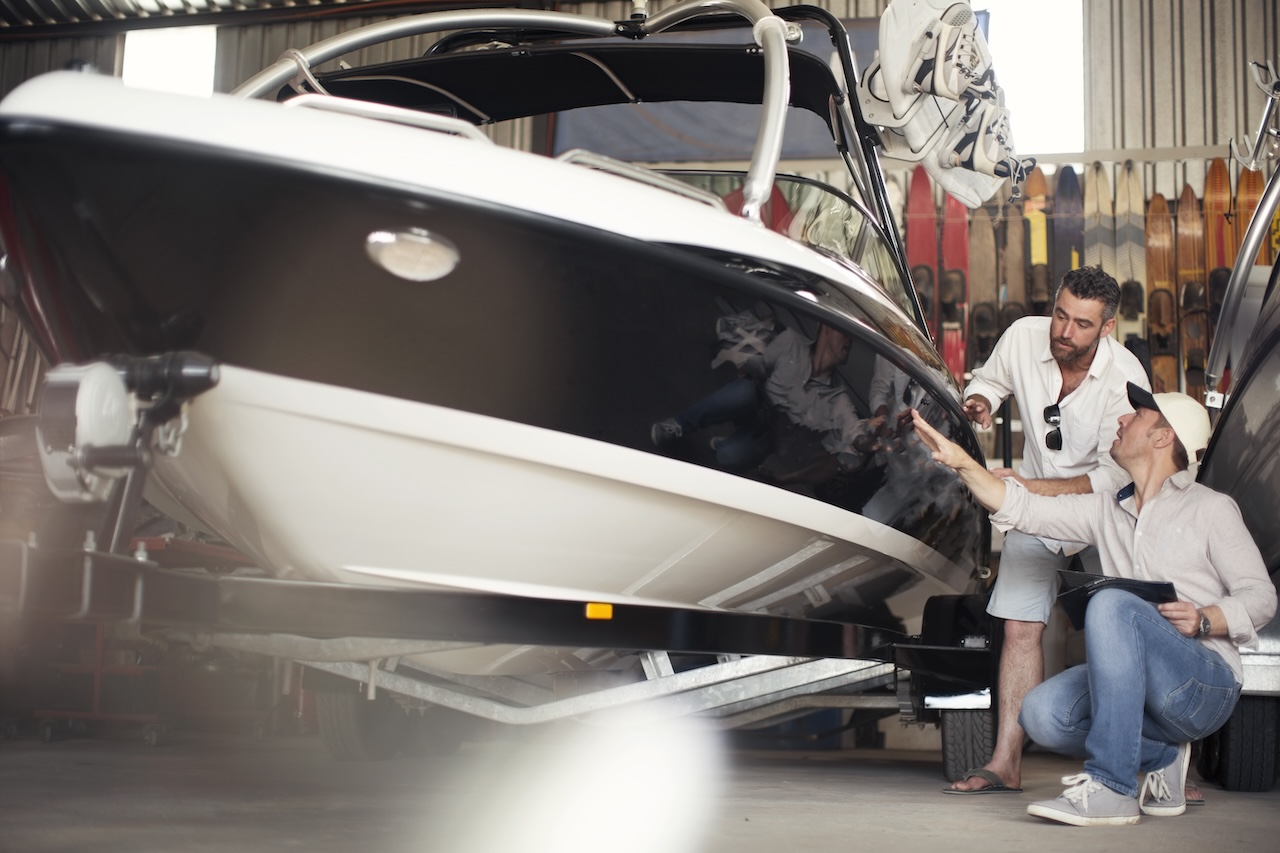
Quick answer: Boat mold and mildew grow quickly between trips because moisture gets trapped in bilge areas, under covers, and in upholstery. Prevent boat mold by rinsing and drying your boat after every outing, improving airflow under your cover, and choosing the right storage setup when storing a boat between uses.
You pull the cover off your boat before a weekend trip and notice that musty smell before you even climb aboard. Then you spot it—a dark patch on the seat cushion, a green tinge along the waterline, maybe some fuzzy growth along a canvas seam. Boat mold is one of the most common frustrations for Indiana boaters, and it can show up fast, even between short trips during the summer season.
The good news: most of it is preventable. Here's what causes it, where to look for it, and exactly what to do about it.
Why Does Boat Mold and Mildew Develop So Quickly Between Trips?
Mold and mildew only need three things to survive: moisture, warmth, and a surface to grow on. A boat sitting between summer trips offers all three in abundance.
Common culprits include:
- Standing water in the bilge, cockpit, or under seat cushions. Even a small amount of trapped water can fuel mold growth within 24 to 48 hours.
- Wet canvas or upholstery covered while still damp, like throwing a wet towel into a gym bag and closing it up
- Poor airflow under a tight-fitting cover or tarp. Without ventilation, humidity has nowhere to go.
- Warm, humid Indiana summers. Heritage Lake and the surrounding region regularly sees heat and humidity that create near-perfect conditions for mold and mildew.
Where Boat Mold Tends to Show Up First
Knowing where to look saves you from nasty surprises. Boat mold and mildew commonly appear in:
- The waterline and hull below the surface. Algae can take hold here even during short periods of inactivity.
- The bilge area—low, dark, and often wet
- Canvas tops, covers, and enclosures, especially along stitched seams where moisture collects
- Upholstery and cushions—the folds and seams are the first to go
- Livewells and bait tanks. If not fully drained and rinsed, these become mold incubators fast.
8 Tips for Preventing Boat Mold Between Summer Outings
1. Clean the Boat After Every Trip
Rinse the entire boat with fresh water after each outing, especially if you've been on Heritage Lake. Salt, algae, and organic material left on surfaces speed up boat mold growth.
2. Dry Everything Before Covering the Boat
This is the single biggest mistake boaters make. Covering a damp boat is like sealing moisture inside. Wipe down surfaces, flip cushions on their sides, and give the boat time to air out before you put the cover on.
3. Drain Water From the Boat Completely
Remove drain plugs, tilt the motor, and make sure the bilge pump has cleared out standing water. Check any low points where water tends to pool, like corners of the cockpit, under floor panels, inside storage compartments.
4. Improve Airflow Under the Boat Cover
Look for vented covers that allow air to circulate. Tight-fitting tarps trap humidity and create the conditions boat mold needs. If your current cover doesn't breathe, it may be contributing to the problem more than solving it.
5. Use Moisture-Control Products Carefully
Moisture-absorbing products like DampRid can help in enclosed areas. Place them in storage compartments and under cushions. Replace them regularly because a saturated moisture absorber stops working and can actually create a mess.
6. Protect Upholstery, Carpet, and Interior Surfaces
Apply a marine-grade fabric protector to upholstery and carpet. For vinyl surfaces, use a UV-protectant cleaner that also discourages mildew. Treat seams carefully—that's where boat mold gets its foothold.
7. Reduce Algae Growth on the Hull
Antifouling paint is one of the most effective long-term solutions for storing a boat that stays in the water. For trailered boats, scrub the hull after each use and inspect the waterline before every launch.
8. Check the Bilge and Other Hidden Areas Regularly
Don't wait until you smell something. Make it a habit to pop open compartments, check the bilge, and inspect the livewell every time you prep the boat. Catching boat mold early means a quick scrub rather than a major cleaning job.
How the Right Storage Setup Helps Prevent Boat Mold
Where you store your boat between trips makes a bigger difference than most people expect. Not all storage options offer the same level of protection, and choosing the right one is an important part of storing a boat properly.
If you're near Heritage Lake, Hawkeye Storage in Bainbridge, Indiana offers several options depending on your needs and budget.
Outdoor Uncovered Storage
Outdoor parking is the most affordable way to keep your boat off your property. It works well when you're diligent about covering and maintaining your boat yourself. Hawkeye Storage offers outdoor parking spaces starting at just $25/month, with 24/7 access and gated entry.
Covered Boat Storage
Covered parking spaces, similar to a carport, provide protection from direct sun, rain, and debris. This helps keep your cover drier, reduces UV degradation, and limits the amount of moisture that accumulates on your boat between trips. Hawkeye Storage offers covered spaces with 14-foot clearance starting at $139/month.
Indoor Boat Storage (Private Bays)
For the best protection against boat mold and the elements, an enclosed private bay is the gold standard when storing a boat long-term or between seasons. Hawkeye Storage's private bays come with concrete floors, roll-up doors, and some units include a 110V plug, ideal for keeping a battery tender connected. Private bays start at $209/month.
Frequently Asked Questions About Boat Mold and Mildew
Why Does My Boat Get Mildew Even During the Summer?
Mildew does not require cold or off-season conditions to grow. Warm, humid summer weather actually accelerates mildew growth. The combination of heat, trapped moisture from lake use, and a sealed cover creates ideal conditions for boat mold to develop within a day or two of your last trip.
Should I Leave Boat Compartments Open During Storage?
Yes, when possible. Leaving storage compartment lids cracked or propped open slightly allows air to circulate and moisture to escape. This is especially helpful for dry storage compartments, livewells, and under-seat areas where dampness tends to linger.
What Is the Best Type of Boat Cover for Preventing Mildew?
A vented, marine-grade cover that fits snugly without trapping air is the best option. Look for covers made from breathable, water-resistant fabric. Avoid non-breathable plastic tarps, which trap humidity and make boat mold worse, not better.
Does Covered Boat Storage Help Prevent Mildew?
Yes. Covered boat storage reduces direct exposure to rain and condensation, which are two of the main sources of moisture that lead to boat mold. Combined with good drying habits after each trip, covered storage significantly lowers the risk of mildew developing between uses.
Keep Your Boat Ready for Every Trip
Boat mold and mildew are common, but they're not inevitable. A consistent post-trip routine, the right cover, and a proper storage setup go a long way toward keeping your boat clean and ready all season long.
If you're storing a boat near Heritage Lake and want a secure, affordable option, Hawkeye Storage in Bainbridge, Indiana has outdoor, covered, and private bay options available with no long-term commitment. Check availability and reserve your spot today.