
9 Items People Forget to Remove Before Putting Things in Storage
Packing your belongings for a move or a major organization project can be exhausting. By the time you load the final box, you probably just want to lock the door and walk away. But rushing that final step can lead to expensive mistakes.
Leaving the wrong items inside your boxes, bags, or appliances can cause massive damage over time. Knowing exactly what not to store in a storage unit can save you from dealing with pests, chemical leaks, and ruined valuables. To help you protect your property, we've put together a list of the nine items people most frequently forget to remove before putting things into storage.
The 9 Most Commonly Forgotten Items When Packing a Storage Unit
1. Food and Perishables
When people ask what not to store in a storage unit, food is at the top of the list. We aren't just talking about a forgotten bag of groceries. People often pack up their kitchen and accidentally leave a half-empty box of cereal in a pantry bin, or crumbs sitting in the bottom of a toaster. Food attracts rodents and insects, which can quickly spread through your unit and destroy your furniture.
2. Batteries in Electronics
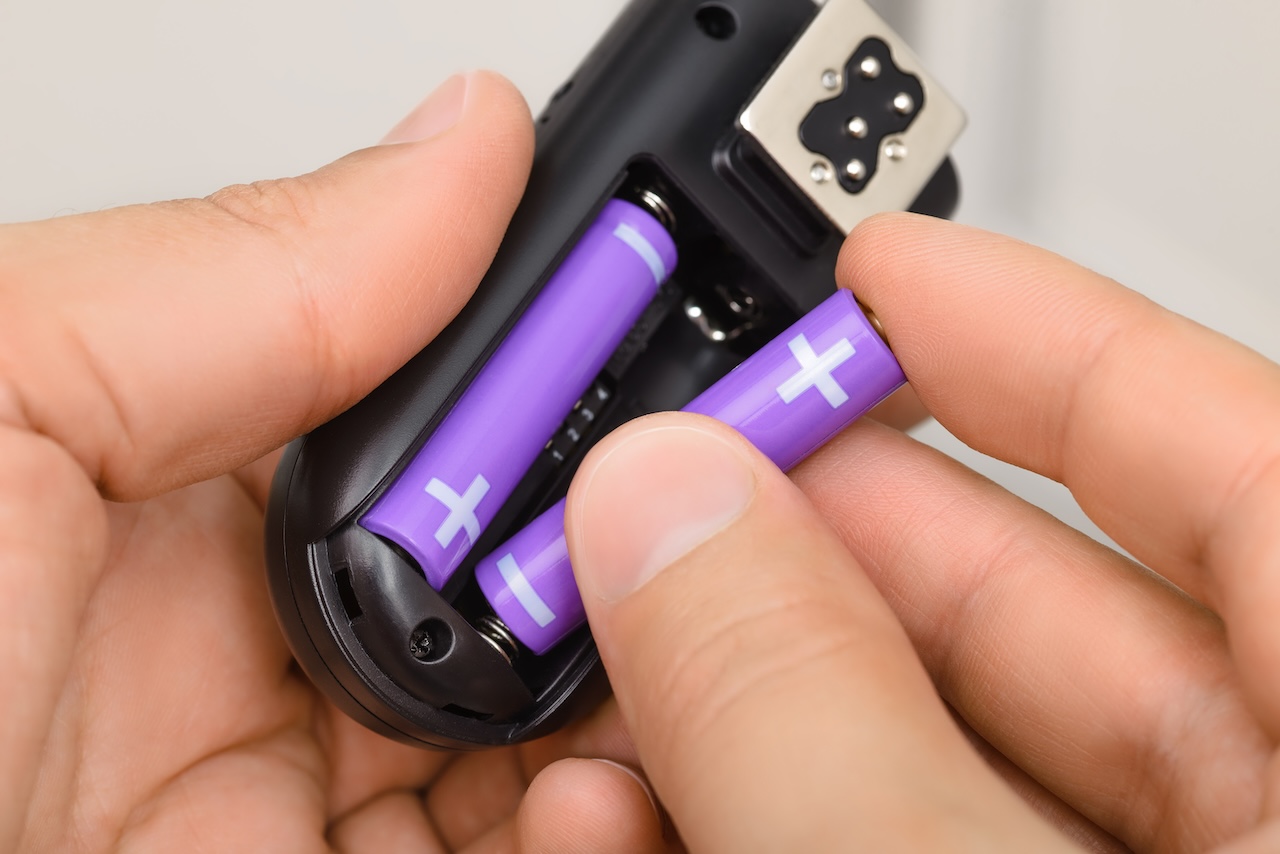
You probably packed up the television remote, your child's favorite toy, or an old wall clock without a second thought. Unfortunately, batteries left inside electronics can corrode and leak battery acid over time. This ruins the device and creates a messy, toxic hazard. Always remove alkaline and lithium batteries before boxing up your electronics.
3. Liquids and Cleaning Supplies
Liquid items are another prime example of what not to store in a storage unit. It’s incredibly easy to toss half-used bottles of shampoo, lotion, or household bleach into a box. Fluctuating temperatures can cause these bottles to expand, crack, and leak. A single spilled bottle of bleach can destroy surrounding fabrics and cardboard boxes.
4. Important Documents
Storage units are secure, but they aren’t the place for items you might need in an emergency. People often box up filing cabinets and accidentally store away their passports, birth certificates, tax documents, or medical records. Keep these vital documents at home in a fireproof safe so you can access them immediately when required.
5. Valuable and Sentimental Items
While a high-quality facility will keep your items safe, extremely valuable or irreplaceable items are best kept close to you. This includes fine jewelry, cash, and sensitive family heirlooms like antique photographs. If you absolutely must store them, invest in a climate-controlled unit to prevent humidity damage.
6. Propane Tanks and Combustibles
You finally packed away the backyard barbecue grill for the winter, but did you remove the propane tank? Combustible and flammable items pose a massive fire risk. This includes lighter fluid, fireworks, motor oil, and aerosol cans. These hazardous materials violate storage facility rules for the safety of everyone on the property.
7. Plants and Organic Materials
If you are researching what not to store in a storage unit, living things are strictly prohibited. Moving is chaotic, and you might think a houseplant will survive a few days in the dark. It won't. Plants will die, rot, and attract unwanted pests to your unit.
8. Medications
Heat and cold severely impact the chemical composition of prescription and over-the-counter medications. Leaving a bottle of aspirin or essential prescription pills in a packed bathroom box can render the medicine completely ineffective or even dangerous to consume.
9. Hidden Items Inside Furniture and Appliances
People constantly store desks, cabinets, and appliances without emptying them first. A forgotten water bottle in a desk drawer, stagnant water in a washing machine hose, or a stray piece of fruit in a defrosted refrigerator can cause severe mold growth. Always empty, clean, and completely dry out appliances and furniture, which perfectly illustrates what not to store in a storage unit.
Ready to Safely Store Your Belongings?
Now that you understand what not to store in a storage unit, you can pack with confidence. Taking a few extra minutes to check your boxes, drawers, and appliances ensures your belongings stay in pristine condition.
When you are ready for a clean, secure, and reliable place to keep your items, reach out to Hawkeye Storage. Our friendly team is here to help you find the perfect storage solution for your needs.
Frequently Asked Questions About Storage
What is not allowed in a storage unit?
Facilities have strict guidelines regarding hazardous materials, stolen goods, weapons, explosives, and living creatures. Basically, what not to store in a storage unit includes anything dangerous, illegal, or highly combustible.
Do I need to clean items before putting them in storage?
Yes. Wiping down your furniture, vacuuming couches, and thoroughly cleaning appliances prevents mold and deters pests. Dust and dirt can also settle into fabrics and cause permanent staining over time.
What happens if something leaks in a storage unit?
If an item from your unit leaks and damages the facility or another renter's property, you can be held liable. This is why removing liquids, batteries, and dangerous chemicals is an essential step of the packing process.
Can I store electronics long-term?
You can safely store electronics if you take the right precautions. Remove all batteries, use original packaging when possible, and choose a climate-controlled unit to protect sensitive internal components from extreme temperature shifts.