
RV Maintenance Tips to Prevent Damage While in Storage
Parking your RV after a season of amazing road trips can feel a little bittersweet. You’re trading campfires and open roads for a spot in the driveway or a storage lot. But think of this downtime as a spa day for your rig.
Proper preparation now means you won't face any nasty surprises—like a dead battery or a funky smell—when spring rolls around. To help you protect your investment, we’ve put together a guide on essential RV maintenance to keep your vehicle pristine while it waits for your next adventure.
Clean Your RV Inside and Out
We’ve all been there: you find a rogue french fry under the seat or a sticky soda ring on the counter weeks after a trip. While these are annoying in a car you drive daily, in a stored RV, they are an open invitation for pests.
Start your RV maintenance routine with a deep clean. Vacuum every nook and cranny, wipe down all surfaces, and empty the refrigerator. Leaving the fridge doors propped open is a pro tip—it prevents that stale, closed-off smell from developing.
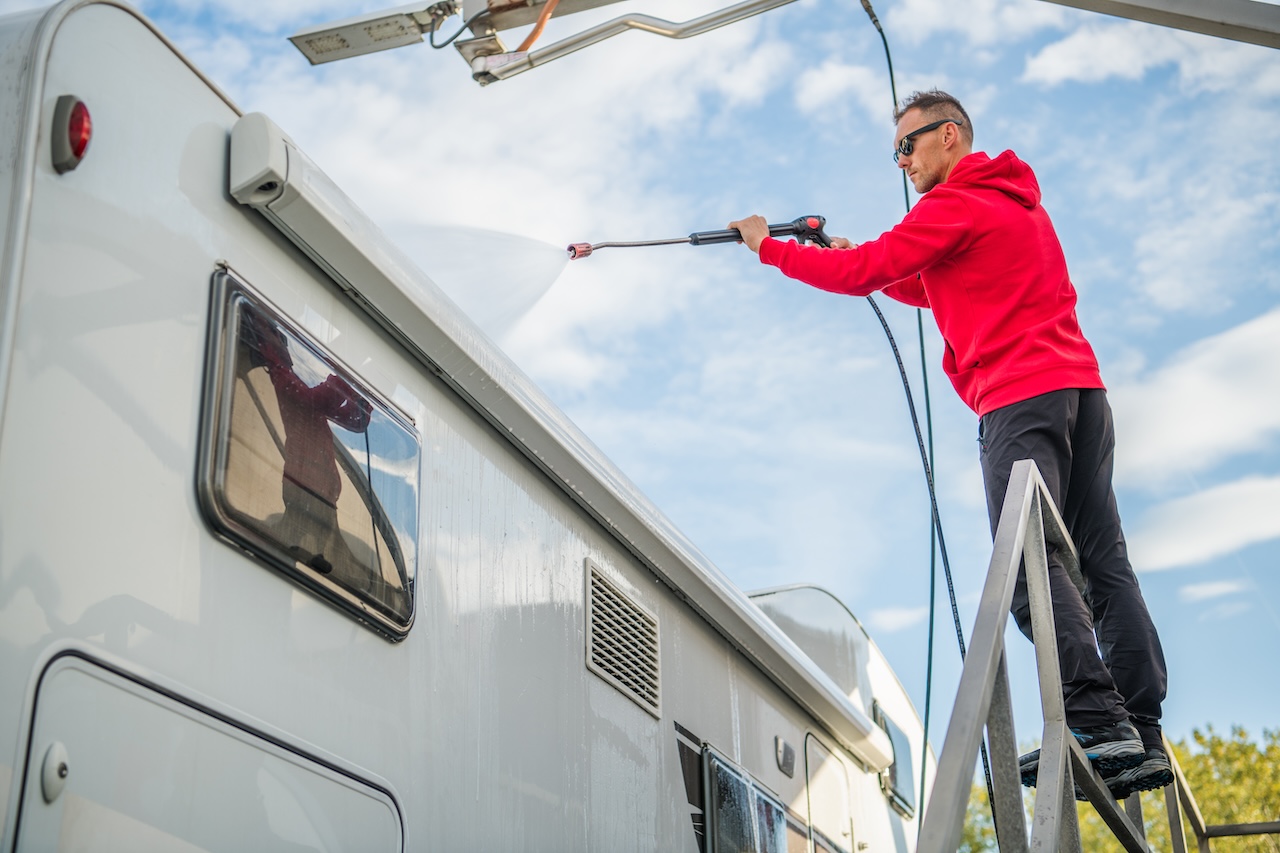
On the exterior, give your rig a good wash and wax. Bird droppings, tree sap, and road grime can eat away at your paint if left to sit for months. A coat of wax acts like a shield, protecting the finish from the elements.
Fight Off Moisture and Mold
Moisture is the silent enemy of stored vehicles. If humidity gets trapped inside, you could return to find mold growing on your upholstery. It’s a lot like leaving a wet towel in a gym bag—nothing good happens after a few days.
To combat this, place moisture absorbers or a dehumidifier inside the cabin. If you are storing the RV in a secure, covered area, cracking a roof vent slightly can help keep air circulating. This simple step in RV maintenance can save you thousands in repairs later.
Prep the Plumbing System
Frozen pipes are a nightmare for homeowners, and they are just as destructive for RV owners. If you live in a climate where the temperature drops below freezing, winterizing your plumbing is non-negotiable.
Make sure you drain all the water lines and tanks. Pump non-toxic RV antifreeze through the system to ensure any remaining water doesn't freeze and expand, which could burst your pipes. Even if you live in a warmer climate, draining the tanks prevents stagnant water from creating odors.
Don't Forget the Battery
There is nothing worse than getting ready for a trip, turning the key, and hearing... nothing. Batteries tend to lose their charge when they sit idle for long periods. Parasitic loads—like the clock on your microwave or your CO2 detector—slowly drain power.
For effective RV maintenance, disconnect your battery if you don't have access to power in storage. If you do have power, use a battery tender or trickle charger to keep it topped off without overcharging it.
Motorhome Engine Care
If you drive a motorhome rather than pulling a trailer, your engine needs attention too. Fuel can degrade over time, turning into a varnish-like substance that clogs fuel lines.
Top off your gas tank and add a fuel stabilizer. Run the engine for a few minutes to let the stabilizer circulate through the system. This keeps the fuel fresh and protects the tank from corrosion.
Cover Up
Whenever possible, choose covered storage. Constant exposure to UV rays can crack tires, fade paint and decals, and damage the roof seals. If a garage or carport isn't an option, invest in a high-quality, breathable RV cover. It acts as a raincoat and sunscreen combined, handling the brunt of the weather so your RV doesn't have to.
Why Your Storage Location Matters
You can follow every RV maintenance tip in the book, but if you park your rig in a bad spot, it might not matter. Where you store your vehicle is just as important as how you prep it. Here is what to look for in a top-tier facility:
Security Features
You want peace of mind. Look for facilities with security measures like perimeter fencing, gated access, and 24-hour video surveillance. You wouldn't leave your front door unlocked at home, so ensure your RV has similar protection.
Wide Drive Aisles
Navigating a large RV through a tight parking lot is stressful and increases the risk of accidental scrapes. Look for facilities with wide drive aisles and angled parking spots. It makes dropping off and picking up your rig a breeze rather than a geometry test.
Power Availability
As mentioned earlier, keeping your battery charged is vital. Facilities that offer reliable power outlets allow you to keep your battery on a tender, meaning your RV is ready to start the second you are.
Ready for the Off-Season With Hawkeye RV Storage
Taking the time to prep your RV might seem like a chore now, but your future self will thank you! By staying on top of your RV maintenance and choosing the right storage environment, you ensure that your rig stays in showroom condition. When the weather warms up and the road calls, all you’ll have to do is turn the key and go.
Hawkeye Self Storage offers covered RV storage in several convenient locations. With amenities like accessible power and wide drive lanes, we're the top choice for RV storage throughout Central Indiana.