
Should You Leave Your RV Slides Out or In During Storage?
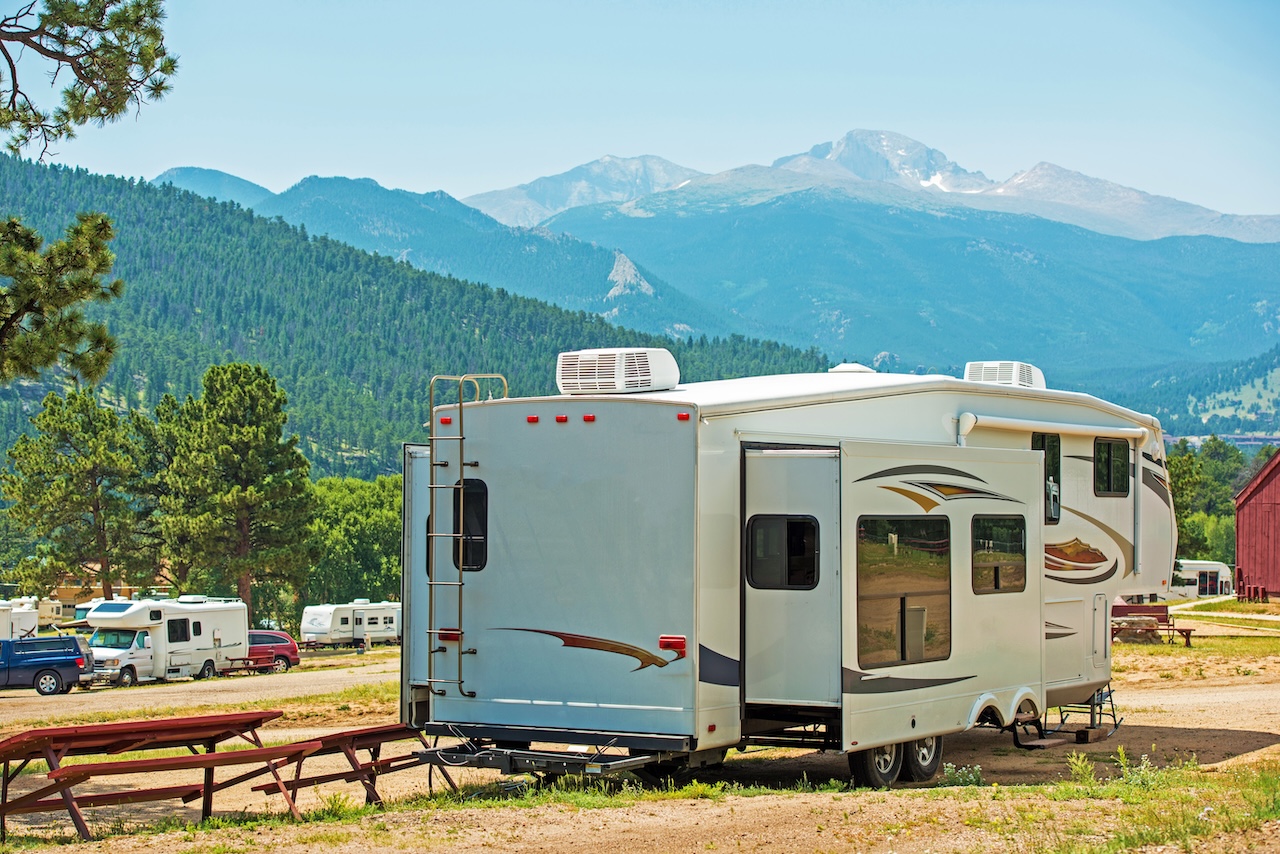
Let’s answer the big question right away: when it comes to long-term parking, you should almost always leave your RV slides retracted (in). Leaving them extended exposes your motorhome or travel trailer to unnecessary weather damage, mechanical strain, and pesky intruders.
Whether you park your rig in your driveway or use a secure facility like Hawkeye Storage in Danville, pulling those slides in is the smartest way to protect your RV. Read on to discover exactly why this matters and how to prep your slides before packing up for the season.
Why RV Owners Store Slides In
Retracting your slide-outs is the industry standard for a few critical reasons.
Protects Seals and Gaskets
Your RV’s rubber seals are like the weatherstripping on your car doors. When exposed to harsh UV rays, freezing rain, or baking heat for months on end, that rubber dries out and cracks. Retracting the slides tucks those delicate seals safely away from the elements.
Reduces Mechanical Stress
Slide-out mechanisms rely on hydraulics, cables, or geared tracks to push heavy rooms outward. Leaving them suspended in the air puts constant, unnatural stress on those systems. Bringing them in relieves that tension, extending the lifespan of your motors and arms.
Keeps Pests and Debris Out
Mice and insects view your extended slide-out as an open invitation. Even the best seals have tiny gaps where a determined field mouse can squeeze through. Furthermore, falling leaves and pine needles collect on top of extended slides, eventually turning into a soggy, damaging mess.
Better Structural Stability
An extended slide changes the center of gravity of your camper. Strong winter winds or uneven settling of the ground over time can tweak the frame. Storing your RV with the rooms pulled in keeps the weight centered and the chassis stable.
When Leaving Slides Out Might Make Sense
There are rare occasions where leaving your slides out is acceptable. If you're living in your camper full-time while stationary, you obviously need the interior space. You might also leave them out if you are actively remodeling the interior or deep cleaning the carpets over a weekend.
How to Properly Retract Slides Before Storing Your RV
Taking a few minutes to maintain your equipment before storing your RV prevents massive repair bills next spring.
Clean the Slide Roof
Grab a ladder and a soft broom. Sweep off any twigs, acorns, or sitting water. Retracting a dirty slide pulls all that debris straight into your living room and can tear your rubber gaskets.
Inspect Seals
Walk around the perimeter and look for rips, tears, or dry rot on the rubber lining. Catching a small tear now saves you from discovering a massive water leak later.
Clean Seals
Wipe down the rubber with a rag and some warm, soapy water to remove grit and grime.
Apply a Slide Out Seal Conditioner
Just like applying lotion to dry hands, spray a dedicated RV seal conditioner onto the rubber. This keeps the material supple and prevents it from sticking to the side of your camper during the cold months.
Lubricate the Slide Mechanism
Check your owner's manual for specific product recommendations, but most tracks require a dry PTFE lubricant. A dry lube ensures that dirt and road dust won't stick to the gears.
Retract Slides Fully
Hold the button down until you hear the motor pitch change or the clutch engage. You want a tight, flush seal against the exterior wall.
Common Mistakes RV Owners Make
Avoid these frequent blunders to keep your rig in top shape.
Leaving Slides Partially Extended
This is the worst of both worlds. The exterior seals do not compress properly, leaving a massive gap for rain and rodents to enter.
Ignoring Seal Maintenance
Skipping the cleaning and conditioning steps leads to brittle rubber that cracks and leaks the moment it rains.
Assuming Indoor Rules Apply to Outdoor Storage
Indoor facilities protect your paint from the sun, but storing your RV inside a barn or garage still leaves it vulnerable to mice. Always pull the slides in, even under a roof.
Not Checking Manufacturer Recommendations
Every RV brand is slightly different. Always consult your owner's manual for specific maintenance schedules and lubrication requirements.
Store Your RV with Confidence at Hawkeye Storage
Looking for a reliable storage solution for your RV? Hawkeye Storage offers secure, climate-controlled units to protect your investment year-round. With spacious storage bays and exceptional service, we make storing your RV easy and stress-free. Visit Hawkeye Storage today to reserve your spot!
Frequently Asked Questions
Can I leave my RV slides out for a week or two?
Absolutely. If you are actively camping or just parking the rig at home between back-to-back weekend trips, leaving them out for a couple of weeks is perfectly fine.
Will retracting slides damage the seals?
No. The seals are specifically designed to be compressed when the rooms are closed. In fact, resting in the closed position protects them from UV damage.
What happens if I leave slides out and it snows?
Heavy snow accumulation on a slide roof can bend the slide topper awning or even warp the slide box itself. If you are storing your RV in a snowy climate, retracting the slides is absolutely mandatory.
Should I cover my RV if slides are retracted?
Yes, using a breathable, high-quality cover adds an excellent layer of defense against UV fading and moisture build-up while storing your RV for the winter.
Does indoor storage change the answer?
Even when storing your RV in a fully climate-controlled unit, you should bring the slides in. It relieves hydraulic pressure on the mechanisms and takes up less floor space in your storage bay.