
Can You Park a Car in a Storage Unit and What Are the Rules
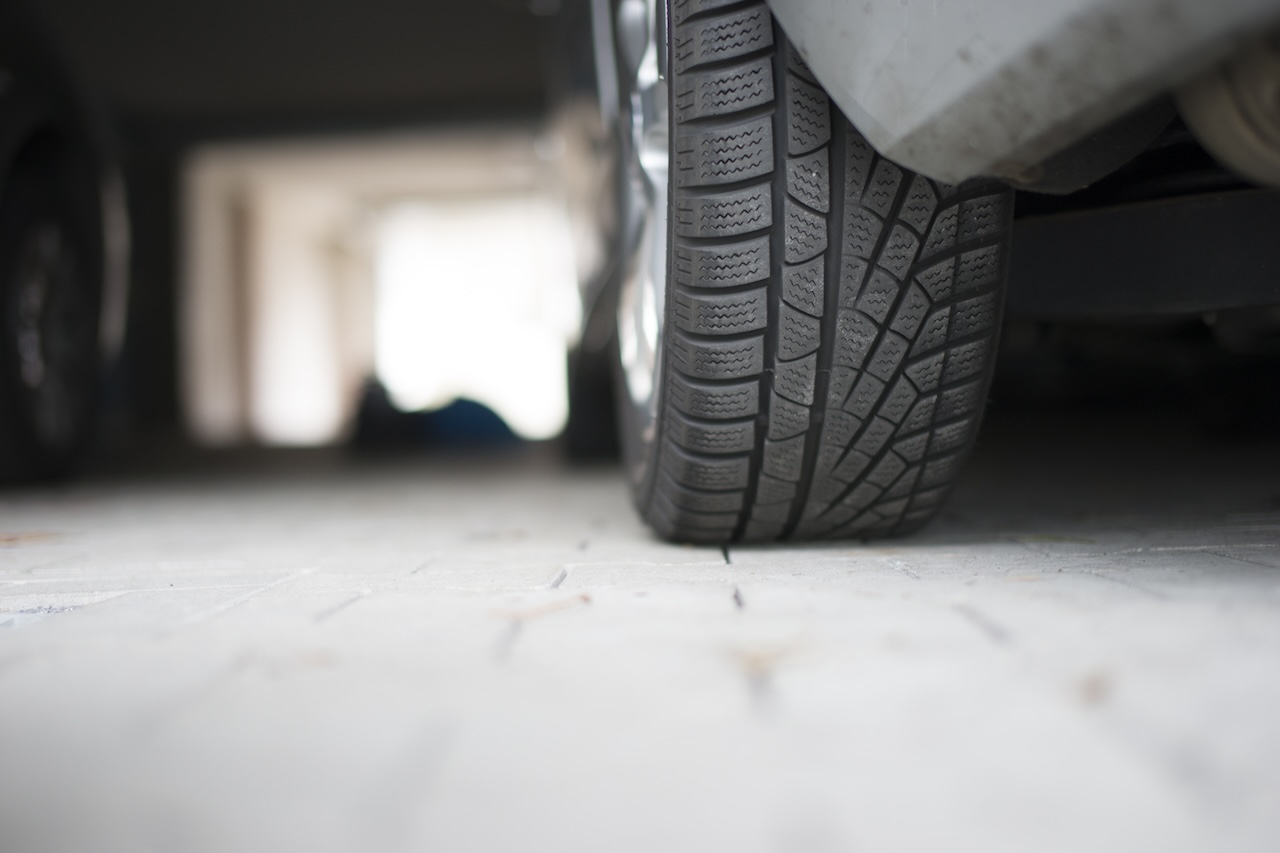
Maybe your homeowners' association is getting strict about street parking, or perhaps you're deploying overseas for a few months. You might even be the proud owner of a classic convertible that needs a safe home during the winter. Whatever the reason, you find yourself staring at your vehicle and wondering if a self-storage unit is the answer.
The short answer? Yes, you absolutely can park a car in a storage unit.
However, it’s not as simple as pulling into the first empty unit you find. There are specific types of units required, size constraints to consider, and a few ground rules you’ll need to follow to keep your rental agreement in good standing. Let's walk through everything you need to know about giving your car a home away from home.
Can You Store a Car in a Storage Unit? How Car Storage Works
While you can’t drive a sedan into an interior hallway or up a freight elevator, many facilities offer "drive-up" units. These are ground-level spaces with roll-up doors, functioning much like a personal garage. You simply drive your vehicle directly from the pavement into the unit.
Storing your car this way comes with some significant perks:
- Weather Protection: An enclosed unit protects your paint and interior from sun damage, hail, snow, and rain.
- Security: Most reputable facilities have gated access, surveillance cameras, and on-site management, offering more security than a driveway or street.
- Controlled Access: You hold the key to your unit, meaning you can access your vehicle whenever the facility gates are open.
Note: always call ahead to confirm the facility allows motor vehicles and that your specific car will fit through the door frame.
Choosing the Right Size and Type of Car Storage
Before you sign a lease, you need to make sure your car actually fits. A standard 5x10 unit is roughly the size of a walk-in closet and won't fit a vehicle.
For most compact cars and sedans, a 10x20 unit is the standard recommendation. If you have a larger truck, SUV, or want extra room to walk around the vehicle, you may need a 10x25 or 10x30. Measure your car's length and width (including mirrors) before booking.
Indoor vs. Outdoor Parking for Car Storage
You generally have two options for vehicle storage:
- Indoor Storage (Drive-up Units): As described above, this offers the best protection against the elements and theft. It is usually the more expensive option.
- Outdoor Parking: These are designated parking spots within the facility's gates. While they offer the security of the facility, your car is exposed to the weather. This is often a more budget-friendly choice for RVs, trailers, or cars that are already covered.
Essential Rules for Car Storage
Car storage facilities need to ensure the safety of the property and other tenants, so they enforce strict rules regarding motor vehicles. While policies vary by company, here are the most common requirements:
The Vehicle Must Be Operational
You generally cannot store a "fixer-upper" that doesn't run. Most managers will require you to drive the car into the unit yourself to prove it is operational. You usually cannot tow a broken-down car into a unit.
No Leaking Fluids
This is a big one. Oil, transmission fluid, and coolant can stain concrete and seep into neighboring units. If your car leaks, fix it before storing it. Some facilities may ask you to place cardboard or a drip pan under the engine block as a precaution.
Fuel Limits
To minimize fire risk, facilities often limit how much fuel can be in the tank. A common rule is that the tank should be less than 1/4 full. This reduces the amount of flammable liquid on the property.
Registration and Insurance
You will likely need to provide proof of current registration and insurance in your name. The facility needs to know the car isn't stolen and that you have liability coverage.
No Repairs on Site
Your storage unit is a garage for parking, not for working. Performing oil changes, engine swaps, or bodywork inside the unit is almost universally prohibited.
Prepping Your Car for Storage
Once you've booked your car storage unit, take a little time to prepare the vehicle. This ensures it starts up easily when you come back to retrieve it.
- Clean Inside and Out: Wash and wax the exterior to protect the paint. Vacuum the interior and remove all food wrappers to avoid attracting pests.
- Check Tire Pressure: Inflate tires to the recommended pressure to help prevent flat spots from forming while it sits stationary.
- Use a Cover: Even inside a unit, dust can settle. A breathable car cover keeps the vehicle clean.
- Lock Up: Lock the car doors and ensure your storage unit is secured with a high-quality disc lock.
Safe Keeping for Your Ride
So, if you've been wondering, "Can you store a car in a storage unit?" the answer is yes! Parking your car in a storage unit is a fantastic way to free up driveway space or protect a prized vehicle. By choosing the right size unit and following the facility's simple rules, you can rest easy knowing your car is secure, dry, and ready for the road whenever you are.
Hawkeye Self Storage offers a variety of storage units specifically designed for vehicle storage. With 24/7 surveillance and convenient locations throughout Indiana, you're sure to find a unit that works for you.