
Can You Park an RV at Your House? What Homeowners Should Know
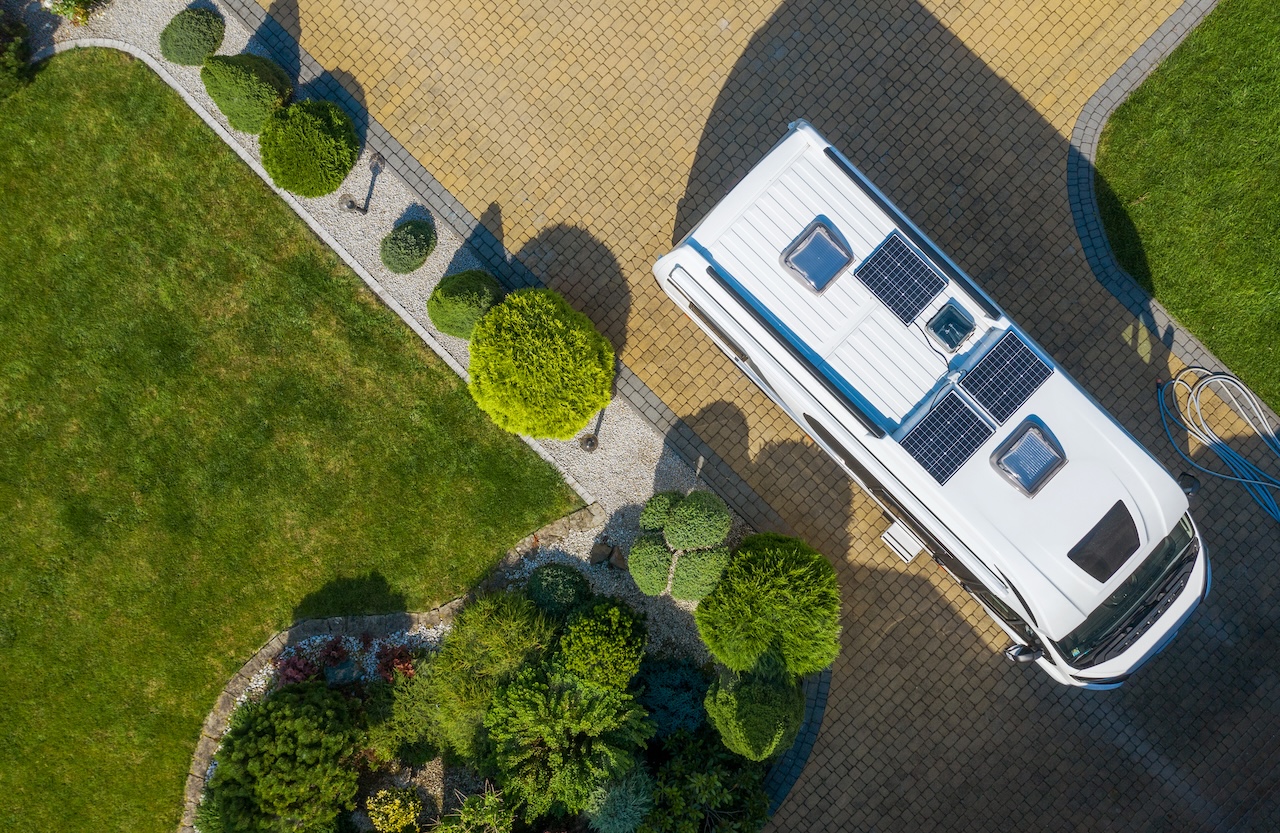
Bringing home a new recreational vehicle is an exciting milestone for any family. However, the thrill of the open road quickly fades when you pull into your neighborhood and wonder, "Where can I park my RV?" Before you leave it in your driveway, you need to understand the local rules and regulations.
Knowing exactly where you can park your RV safely and legally will save you from hefty fines and frustrated neighbors. Whether you plan to keep it on your property or look for a secure boat and RV storage facility in Bainbridge, Indiana, this guide covers what homeowners need to know about residential RV parking.
Quick Answer: Is It Legal to Park an RV at Your House?
It depends on your city's ordinances, your specific neighborhood rules, and your property setup. While some areas are incredibly lenient, others enforce strict zoning restrictions that prohibit large vehicles on residential lots. When asking "Where can I park my RV," your first step should always be checking both local city laws and your Homeowners Association (HOA) guidelines.
Navigating Local City and County Parking Laws
Municipalities carefully regulate large vehicles to maintain neighborhood safety and aesthetics. If you live in Indiana, for example, city ordinances often dictate exactly where you can leave a motorhome.
Many cities regulate the parking duration, distinguishing between temporary loading and permanent storage. They also enforce size limits and dictate the specific location on your lot. Common rules often include bans on overnight street parking and requirements that the vehicle remain behind a fence so it is not visible from the street.
Driveway vs. Street vs. Yard: What Is Typically Allowed?
Figuring out where you can park your RV on your own property can be tricky. Parking in your driveway is usually the most accepted option, provided the vehicle does not hang over the sidewalk. Street parking is almost universally restricted to short-term use, such as a few hours for packing. Parking in your yard is frequently banned entirely by city zoning codes unless you have a designated, paved pad behind your house.
Dealing with HOA Rules and Restrictions
If you live in a planned community, your HOA will likely have the most restrictive rules. HOAs routinely override lenient city laws to maintain property values.
Common HOA restrictions include total bans on keeping motorhomes in the driveway or requiring them to be stored completely off-site. Usually, they only permit short-term loading and unloading for a strict window of 24 to 72 hours. These rules are enforced far more strictly than city laws, and violations can lead to compounding daily fines.
Practical Problems With Parking an RV at Home
Even if you legally can park at home, you might still wonder, "Where can I park my RV without causing issues?" Consider these practical everyday challenges:
- Space limitations: Tight neighborhoods make backing in a massive trailer incredibly difficult and stressful.
- Blocking pathways: An oversized rig can easily block sidewalks, fire hydrants, or access to your own garage.
- Security risks: Vehicles left outside on residential streets are prime targets for theft and vandalism.
- Exposure to weather: Constant exposure to harsh sun, heavy snow, and hail will damage the roof and exterior over time.
- Neighbor complaints: A massive vehicle blocking a neighbor's view can quickly sour local relationships.
Exploring Better RV Storage Options
If parking at home proves too difficult, you will need to ask, "Where can I park my RV safely off-site?" Dedicated facilities offer excellent alternatives that protect your investment.
- Outdoor RV storage: This is the most budget-friendly option, providing a secure, fenced parking space.
- Covered RV storage: A canopy protects your roof from UV rays, rain, and hail while remaining highly affordable.
- Indoor RV storage: This premium choice offers complete protection from the elements and maximum security.
Frequently Asked Questions
How long can an RV stay parked at a house?
Depending on local laws and HOAs, you generally have 24 to 72 hours for loading, unloading, and cleaning. Permanent parking often requires a screened side yard or backyard pad.
Can I park an RV on the street in front of my house?
Usually, no. Most cities prohibit overnight street parking for recreational vehicles due to visibility issues and traffic flow concerns.
Do I need a permit to park an RV at home?
Some cities require a temporary parking permit even for short-term loading. Always check your local municipal website before bringing your rig home.
Is storing an RV at home cheaper than a storage facility?
While parking at home avoids a monthly bill, you must factor in potential HOA fines, weather damage, and theft risks. Off-site storage is often the safer, more cost-effective choice in the long run.
Finding the Right Home for Your Motorhome
Owning a camper brings wonderful travel opportunities, but you have to plan ahead for its downtime. Figuring out "Where can I park my RV" takes a bit of research into your local codes and HOA bylaws.
If keeping it at your house violates local rules or simply takes up too much space, a dedicated facility is a stress-free solution!