
RV Solar Panels During Storage: What to Know When You Park Your Rig at an RV Storage Facility
RV Solar Panels During Storage: What to Know When You Park Your Rig at an RV Storage Facility
Quick answer: In most cases, you can safely leave RV solar panels connected during storage. A properly functioning charge controller regulates power flow and prevents overcharging. However, parasitic power draws, battery type, and storage conditions all affect whether your batteries stay healthy while parked.
Parking your RV for the season feels like a relief—until you start wondering whether your solar setup is quietly causing problems while you're gone. Will the panels overcharge the batteries? Will something drain them flat? These are fair questions, and the answers depend on a few key factors that are easy to overlook at drop-off time.
How Your RV's Solar System Works
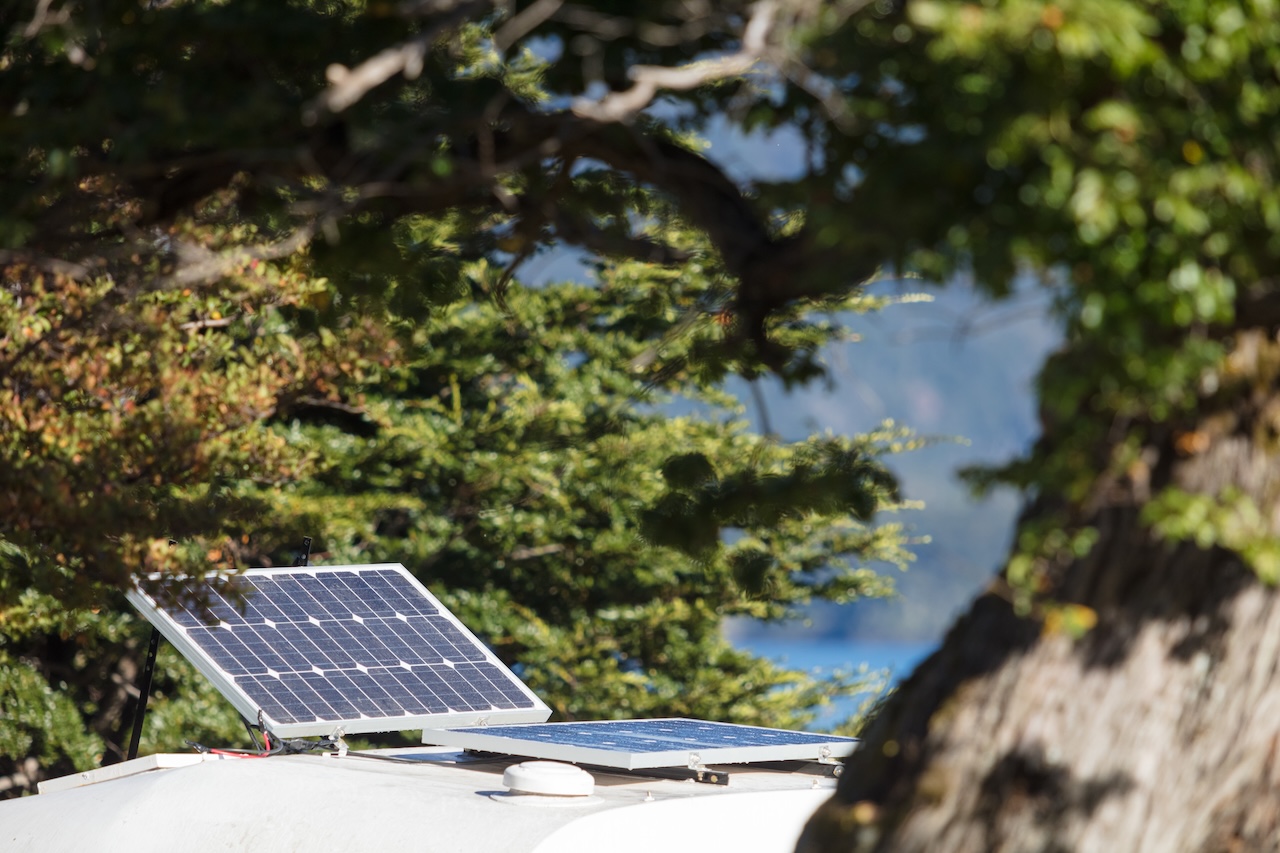
RV solar panels collect sunlight and send that energy to a charge controller, which then regulates how much power flows into your batteries. Think of the charge controller like a smart power strip that knows when your batteries are full and stops the flow before anything gets damaged. Without it, panels could overcharge batteries the same way leaving your phone plugged in forever used to degrade the battery faster.
Most modern RV solar setups include a PWM or MPPT charge controller, both of which handle this regulation automatically.
Can You Leave RV Solar Panels Connected During Storage?
In most cases, yes. A working charge controller keeps the system safe by preventing overcharging and maintaining a healthy charge level over time. For RVs stored outdoors, this can actually be a benefit since the panels will continue topping off the batteries on sunny days.
That said, disconnecting the batteries may be the smarter call when:
- The RV is going into long-term indoor RV storage facility where panels get no sunlight
- The charge controller is old, faulty, or unverified
- You are storing the RV at a facility and will not be checking on it for several months
If any of these apply, disconnect the battery terminals or install a battery disconnect switch before you walk away.
Will RV Solar Panels Keep Your Battery Charged in Storage?
They can, but only if the panels are actually receiving sunlight. A few hours of direct sun per day is typically enough to offset self-discharge and keep the batteries in good shape.
Check for Parasitic Power Draws First
Parasitic draws are devices that keep pulling electricity even when the RV appears to be off. This is the equivalent of leaving a phone charger plugged in at home with nothing connected to it; individually small, but they add up.
Common culprits include:
- Propane leak detectors
- CO/smoke detectors
- Clocks and stereo memory settings
- Inverters left in standby mode
- Slide-out or leveling system electronics
To identify and address parasitic draws before storage:
- Turn everything off and disconnect any devices you do not need running
- Use a multimeter to measure the current draw on the battery
- Pull fuses one by one to identify which circuit is the source
- Turn off or disconnect non-essential electronics for the duration of storage
How to Prepare Your RV Solar System for Storage
Match Your Prep to Your Battery Type
Lead-acid batteries should be stored fully charged and checked monthly. Lithium batteries are more forgiving and can sit at a partial state of charge without damage. Knowing which type you have changes how urgently you need to monitor them.
Inspect and Clean the Solar Panels
Dirty panels produce less power. Before parking, wipe down the panels with a soft cloth and mild soap. Check for cracks, loose wiring, or debris buildup around the frame.
Check the Solar Charge Controller
Look for error codes or warning lights on the controller display. Verify that it is set to the correct battery type since mismatched settings can lead to undercharging or overcharging over time.
Choose the Right Storage Space
Outdoor storage with good southern exposure gives your RV solar panels the best chance of maintaining battery charge. Covered or partially shaded spots reduce panel output significantly.
Monitor the RV During Long-Term Storage
Plan to check in on your RV at least once a month. A quick voltage reading with a multimeter tells you whether the batteries are holding their charge. Many charge controllers also support Bluetooth monitoring, which lets you check battery status from your phone without even opening the RV.
Indoor vs. Outdoor Storage for Solar-Equipped RVs
An outdoor RV storage facility is generally better for solar-equipped RVs because the panels can keep working. Indoor storage eliminates solar charging entirely, so you either need a battery maintainer plugged into shore power or a plan to disconnect and store the batteries separately.
Frequently Asked Questions
Should I disconnect my RV battery if I have solar panels?
Not necessarily. If the charge controller is working correctly and the RV is stored outdoors with some sun exposure, the panels can maintain the batteries without manual intervention. Disconnect the batteries only if the system is faulty, storage is fully indoors, or you will not check on the RV for an extended period.
Will RV solar panels work under covered storage?
Partially shaded or covered panels produce significantly less power. If the cover blocks direct sunlight entirely, the panels will not generate enough energy to maintain the batteries. A battery maintainer connected to shore power is a better solution in this case.
Should I cover my RV solar panels during storage?
Generally, no. Covering the panels defeats the purpose of having them. Unless you are concerned about hail or extreme weather, leave the panels exposed so they can continue charging the batteries.
How often should I check my RV batteries during storage?
Once a month is a good rule of thumb. Lead-acid batteries in particular can sulfate if left in a discharged state, which permanently reduces their capacity.
Should I leave my RV inverter on while stored?
No. Inverters draw power in standby mode, which creates a parasitic load that slowly drains the batteries. Turn the inverter off before putting the RV into storage.
Ready to Store Your RV for the Season?
Looking for a safe place to store your RV while it's not in use? Hawkeye Storage offers convenient, affordable RV storage options designed to keep your rig protected until you're ready to hit the road again. Find a location near you and reserve your spot today!